Break Free from CMR+ & CMRx Lock-In

Machine Control That Works Anywhere with Red Edge Resources

The Hidden Problem in Machine Control

One of the biggest frustrations in machine control today isn’t accuracy — it’s compatibility.

Many contractors invest heavily in systems, only to find:

  • They only work with specific correction formats (CMR+ / CMRx)
  • They rely on proprietary networks
  • They fail to connect on certain sites
  • They become unusable when moving between projects

👉 In short: you don’t own your system — the system owns you.


What is CMR+ and CMRx Lock-In?

CMR+ and CMRx are proprietary correction formats used by certain major brands.

While they can perform well inside their own ecosystem, they create major limitations:

  • Restricted compatibility with other GNSS equipment
  • Limited flexibility across different sites
  • Dependence on specific hardware or networks
  • Inconsistent real-world connectivity

This becomes a serious issue in:

  • Remote mining operations
  • Regional civil projects
  • Multi-contractor sites

The Red Edge Approach: Total Freedom

At Red Edge Resources, we take a different approach:

Your system should work anywhere — not just where the network allows it.

That’s why our machine control solutions are designed around:

  • Open correction formats (RTCM)
  • Flexible communication methods
  • Independent base station capability

Operate Anywhere, On Any Site

With a Red Edge machine control system, you are not tied to:

  • A specific network
  • A specific correction provider
  • A specific brand ecosystem

You can operate:

  • On remote mine sites with no coverage
  • On civil projects with mixed equipment
  • Across multiple locations without reconfiguration headaches

Free Base Station with Your System

The Key to True Independence

Every Red Edge machine control solution includes:

👉 A base station setup — at no additional cost

This means:

  • You are not reliant on third-party correction services
  • You can generate your own RTK corrections
  • You maintain full control over your positioning

Why a Base Station Matters

Without your own base station, you are dependent on:

  • Network availability
  • Subscription services
  • External infrastructure

With a Red Edge base station:

  • You control accuracy
  • You control uptime
  • You control your workflow

Built for Real-World Conditions

Whether you’re running:

  • Mining operations in remote regions
  • Civil Construction projects across multiple sites
  • Or regional infrastructure jobs

Your system needs to work every time, everywhere.

Red Edge solutions are designed to:

  • Operate without network reliance
  • Handle harsh Australian environments
  • Deliver consistent performance across sites

No More Compatibility Guesswork

One of the biggest issues in the industry is:

👉 “Will this system connect?”

With Red Edge:

  • Systems are configured for open protocols from day one
  • Compatibility is tested in real-world conditions
  • You get a solution that actually works on site

The Cost Advantage

Breaking free from CMR+/CMRx doesn’t just improve reliability — it reduces cost:

  • No expensive network subscriptions
  • No forced upgrades
  • No vendor lock-in

Combined with lower hardware costs, this delivers:

👉 A significantly lower total cost of ownership


The Bottom Line

If your machine control system only works in certain conditions, it’s not a solution — it’s a limitation.

With Red Edge, you get:

  • Freedom from proprietary correction formats
  • A free base station with your system
  • The ability to operate anywhere, anytime

Why Choose Red Edge Resources?

  • Practical, site-tested solutions
  • Open system architecture
  • Strong experience in mining and civil
  • Support that understands real-world challenges

Take Control of Your Machine Control

Stop being locked into systems that limit where you can work.

Talk to Red Edge Resources about a machine control solution that works on any site — with no compromises.

Stonex Machine Control Systems

High-Performance GNSS Without the Premium Price

https://sitesurvusa.com/cdn/shop/files/STX-DIG-Stonex-Machine-Control.jpg?v=1740676433&width=1200

4

A Modern Alternative to Traditional Machine Control

Machine control is no longer just for tier-one contractors.

With Stonex GNSS technology, Red Edge Resources delivers a solution that combines:

  • High-end accuracy
  • Modern GNSS capability
  • Significantly lower cost

This makes Stonex one of the best-value machine control platforms available in Australia today.


What is Stonex Machine Control?

Stonex machine control systems use advanced GNSS receivers and sensors to provide:

  • Real-time positioning
  • Accurate excavation and grading guidance
  • Seamless integration between base, rover, and machine

Suitable for:

  • Excavators
  • Dozers
  • Graders

Key Benefits of Stonex Machine Control

1. High-End GNSS Performance

Stonex receivers deliver premium-level GNSS capability, including:

  • Multi-constellation tracking (GPS, GLONASS, Galileo, BeiDou)
  • Fast RTK initialisation
  • Stable accuracy in challenging environments

This results in:

  • Precise cuts and fills
  • Reduced rework
  • Improved productivity on site

2. Cost-Effective Without Compromise

Stonex is known for delivering high performance at a lower cost than traditional brands.

Key advantages:

  • Lower upfront investment
  • Reduced cost per machine
  • Strong ROI across multiple installs

For contractors, this means:
👉 You can deploy more systems across your fleet for the same budget.


3. Open & Flexible System Architecture

https://www.researchgate.net/publication/323908071/figure/fig2/AS%3A865472283164674%401583356080599/Flowchart-of-GNSS-positioning-with-the-aid-of-differential-correction-and-the-3D-building.jpg

Unlike locked ecosystems, Stonex systems are built to be:

  • Compatible with RTCM correction formats
  • NTRIP-ready for network corrections
  • Adaptable to different site setups

This flexibility allows:

  • Integration with existing survey gear
  • Easier expansion across projects
  • No reliance on a single vendor

4. Seamless Integration with Survey Workflows

One of Stonex’s biggest strengths is its tight integration between survey and machine control.

With solutions like Cube software and GNSS rovers, you can:

  • Share data between survey and machines
  • Reduce duplication of work
  • Improve site coordination

This is especially valuable for:

  • Civil contractors
  • Survey teams managing construction projects
  • Mining operations requiring precision

5. Scalable for Growing Operations

Stonex machine control is designed to scale with your business.

  • Start with one machine
  • Expand to full fleet coverage
  • Standardise across all equipment

Without the exponential cost increases seen with traditional providers.


6. Backed by Red Edge Resources

Technology is only part of the equation — implementation is everything.

With Red Edge, you get:

  • Local Australian support
  • On-site installation and calibration
  • Real-world machine control experience
  • Ongoing support without the red tape

Built for Australian Conditions

Stonex systems supplied by Red Edge are deployed in:

  • Mining environments
  • Civil construction projects
  • Remote and regional sites

Designed to handle:

  • Dust and vibration
  • Harsh weather
  • Continuous operation

Stonex vs Traditional Machine Control

FeatureTraditional BrandsStonex (Red Edge)
CostVery HighSignificantly Lower
AccuracyHighHigh
FlexibilityLockedOpen
IntegrationLimitedStrong (Survey + Machine Control)
ScalabilityExpensiveCost-Effective

When Stonex is the Right Choice

Stonex machine control is ideal if you want:

  • A premium-performance system without the premium price
  • Integration between survey and machine control
  • Flexibility across sites and correction methods
  • A scalable solution for growing operations

The Bottom Line

Stonex delivers:

  • High-end GNSS performance
  • Flexible system architecture
  • Lower total cost of ownership

Combined with Red Edge expertise, you get:

  • Systems that are correctly configured
  • Reliable performance on site
  • A solution built around your operation — not a locked ecosystem

Get the Right Setup from Day One

Machine control success depends on correct setup and integration.

Red Edge can design a Stonex solution that:

  • Matches your machines
  • Integrates with your survey workflow
  • Works reliably in your environment

Hemisphere Machine Control Systems

Reliable, Flexible & Cost-Effective Solutions from Red Edge Resources

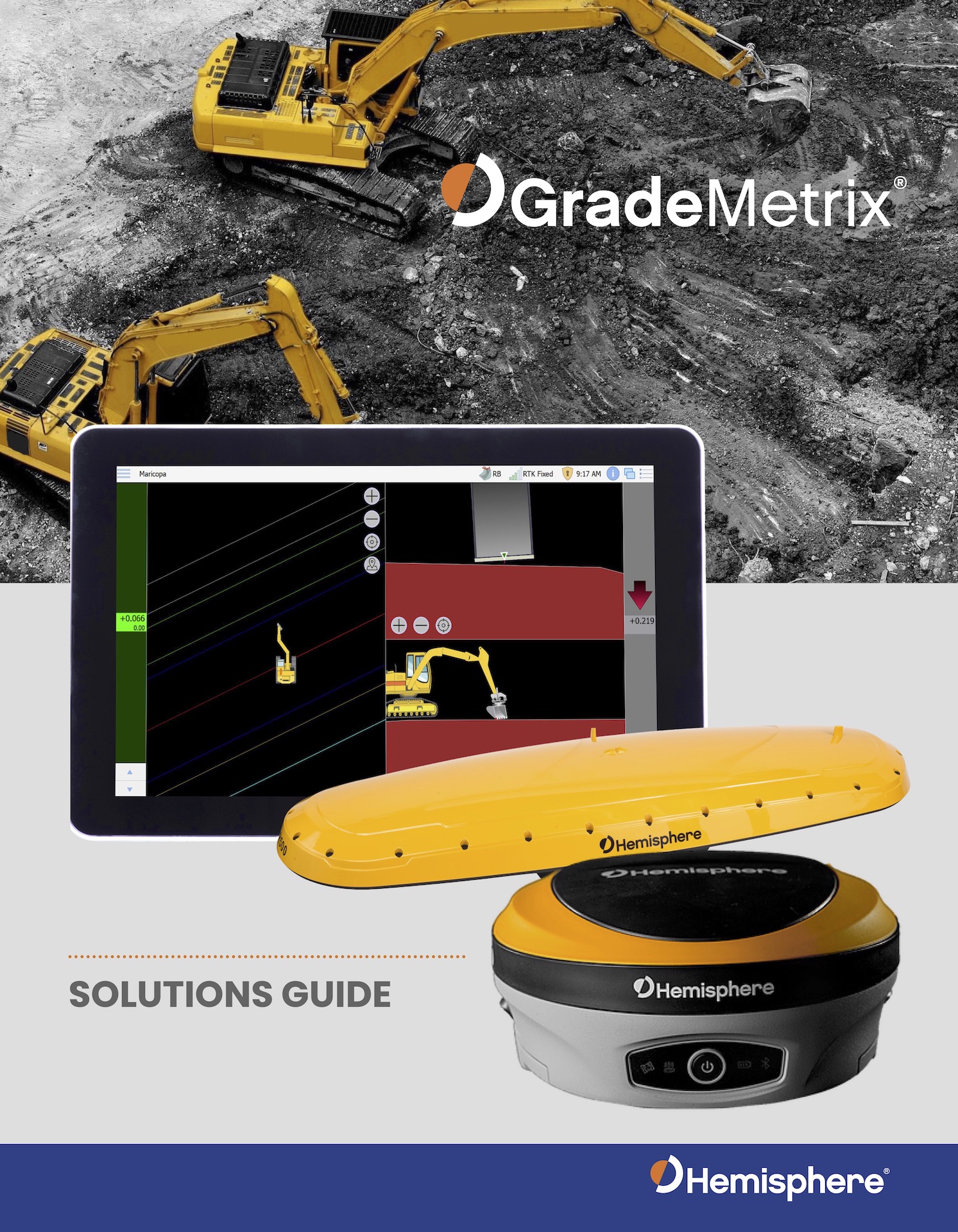
https://www.saderet.co.uk/img/GradeMetrix%20Brochure%202023%20cover.jpg
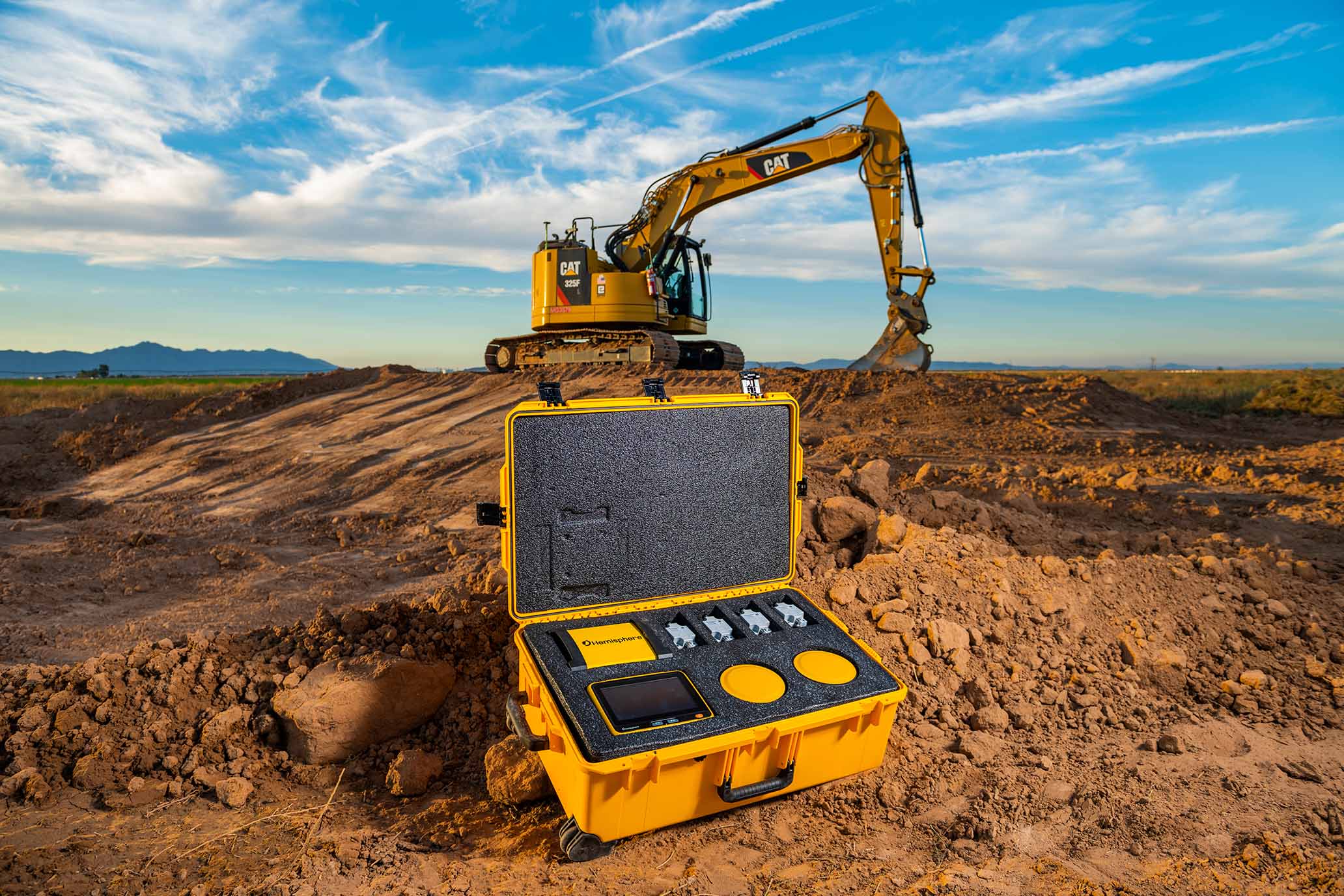
https://metaconx.ca/cdn/shop/files/metaconx-machine-control-system-case-infront-of-excavator-2.jpg?v=1678838674&width=2064

4

A Practical Alternative in Machine Control

When it comes to machine control, most contractors are looking for three things:

  • Accuracy
  • Reliability
  • Cost control

Hemisphere GNSS technology, supplied and supported by Red Edge Resources, delivers a strong balance of all three — making it a highly practical solution for civil and mining operations.


What is Hemisphere Machine Control?

Hemisphere systems utilise advanced GNSS positioning technology to provide:

  • Real-time machine positioning
  • Accurate blade/bucket guidance
  • Integration with base stations and correction networks

These systems are commonly deployed on:

  • Excavators
  • Dozers
  • Graders

Key Benefits of Hemisphere Machine Control

1. Proven GNSS Performance

Hemisphere receivers are built on reliable GNSS technology, supporting:

  • GPS, GLONASS, Galileo and BeiDou
  • RTK positioning for high-accuracy work
  • Stable performance across varied environments

For most construction and mining applications, this delivers the accuracy required without overpaying for unnecessary features.


2. Cost-Effective System Deployment

One of the biggest advantages of Hemisphere is affordability.

Compared to tier-one brands:

  • Lower upfront hardware cost
  • Reduced system cost per machine
  • Ideal for scaling across fleets

This allows contractors to:

  • Equip more machines
  • Increase productivity across site
  • Improve ROI faster

3. Flexible Integration Options

Hemisphere systems are well suited for mixed environments, allowing integration with:

  • Existing base stations
  • NTRIP correction services
  • Third-party hardware (where compatible)

This flexibility is critical for:

  • Contractors working across multiple sites
  • Operations transitioning from older systems
  • Businesses avoiding vendor lock-in

4. Strong Fit for Entry to Mid-Tier Machine Control

Hemisphere is an excellent solution for:

  • Entry-level machine control users
  • Contractors upgrading from laser or manual methods
  • Projects where full high-end systems are not required

It provides:

  • Significant productivity gains
  • Reduced rework
  • Faster job completion

5. Supported Locally by Red Edge Resources

Technology is only as good as the support behind it.

With Red Edge, you get:

  • Local Australian support
  • Installation expertise across machines
  • Practical troubleshooting (not call centres)
  • Real-world experience in mining and civil

Important Consideration: Corrections & Compatibility

While Hemisphere hardware is highly capable, correction protocol compatibility (such as CMR+) can vary across systems and setups.

This means:

  • Some legacy integrations may not behave consistently
  • Not all third-party systems will connect seamlessly

The key advantage of working with Red Edge is:

👉 You get real-world tested solutions, not just theoretical compatibility.

We ensure:

  • Correct configuration from day one
  • Reliable correction workflows (RTCM, NTRIP where applicable)
  • Systems that actually work on site

When Hemisphere is the Right Choice

Hemisphere machine control is ideal when you need:

  • A cost-effective alternative to premium brands
  • Reliable GNSS accuracy for construction and mining
  • Flexible deployment across multiple machines
  • A scalable solution without heavy ongoing costs

Hemisphere + Red Edge = Practical Performance

By combining Hemisphere GNSS with Red Edge’s:

  • Installation expertise
  • Communications solutions
  • Site integration knowledge

You get a system that is:

  • Fit for purpose
  • Cost-efficient
  • Proven in Australian conditions

The Bottom Line

Hemisphere machine control offers a strong balance of performance and affordability.

When deployed correctly, it delivers:

  • Accurate results
  • Reduced operating costs
  • Increased machine utilisation

And with Red Edge backing it, you get:

  • Systems that work
  • Support that understands your operation
  • Solutions built for real-world conditions

Get Advice Before You Buy

Not every system suits every site.

If you’re considering Hemisphere machine control, Red Edge can help design a setup that:

  • Matches your machines
  • Works with your corrections
  • Delivers real productivity gains

Cost-Effective Machine Control Solutions in Australia

Why More Contractors Are Switching to Red Edge Resources

The Problem with Traditional Machine Control

For years, machine control systems have been dominated by high-cost providers like Trimble and Topcon. While these systems are powerful, they often come with:

  • High upfront capital costs
  • Expensive subscription models
  • Locked ecosystems
  • Costly upgrades and support

For many contractors, especially in civil and mining, this creates a barrier to entry — or limits how many machines can be fitted out.


A Smarter, More Cost-Effective Approach

At Red Edge Resources, the focus is simple:

Deliver the same core functionality — at a fraction of the cost.

By combining:

  • Modern GNSS technology
  • Flexible hardware platforms
  • Open compatibility systems

Red Edge provides machine control solutions that can be up to 50% cheaper than traditional tier-one brands — without sacrificing performance where it matters.


What Makes Red Edge More Cost-Effective?

1. Lower Hardware Costs

Red Edge leverages high-performance GNSS hardware (such as Stonex systems) that delivers:

  • Multi-constellation tracking (GPS, GLONASS, Galileo, BeiDou)
  • High accuracy for grading and excavation
  • Reliable performance in tough environments

Without the premium pricing of legacy brands.


2. No Locked Ecosystem

Unlike traditional providers, Red Edge systems are designed to be:

  • Compatible with multiple correction formats (RTCM, NTRIP)
  • Flexible with base stations and networks
  • Adaptable across different machines and sites

This gives you:

  • Freedom to scale
  • No vendor lock-in
  • Reduced long-term costs

3. Reduced Subscription & Licensing Costs

Many legacy systems rely heavily on:

  • Ongoing subscriptions
  • Paid feature unlocks
  • Expensive software upgrades

Red Edge solutions minimise this by offering:

  • More inclusive system packages
  • Lower ongoing costs
  • Practical, site-focused functionality

4. Scalable Across Your Fleet

Instead of investing heavily into one or two machines, Red Edge allows you to:

  • Fit out more machines for the same budget
  • Standardise systems across your fleet
  • Increase productivity across the entire operation

Built for Australian Conditions

Red Edge systems are designed specifically for:

  • Mining environments
  • Civil construction projects
  • Remote and regional sites

With a focus on:

  • Rugged hardware
  • Reliable communications
  • Easy field servicing

Integrated Communications = More Savings

One of the biggest hidden costs in machine control is connectivity.

Through partnerships and solutions aligned with systems like Hypha hardware, Red Edge enables:

  • Efficient data transfer between base and machines
  • Starlink-ready remote connectivity solutions
  • Reduced reliance on expensive traditional networks

Importantly, hardware solutions are supplied with embedded software and support frameworks, while telecommunications services (SIMs, airtime, data) are handled separately

This separation allows:

  • Greater flexibility in choosing providers
  • Better control over ongoing costs

Real-World Cost Comparison

FeatureTraditional ProvidersRed Edge
Initial CostVery HighUp to 50% Lower
SubscriptionsOngoingMinimal
FlexibilityLocked EcosystemOpen & Adaptable
Fleet ScalingExpensiveCost-Effective
Support ModelTiered/IndirectDirect & Practical

Who Is This Ideal For?

Red Edge machine control is perfect for:

  • Civil contractors scaling operations
  • Mining companies needing multiple installs
  • Owner-operators wanting entry into GPS machine control
  • Survey teams integrating with machine control workflows

The Bottom Line

If you’re paying premium prices for machine control, you’re often paying for brand — not necessarily better outcomes.

Red Edge offers:

  • Proven performance
  • Modern GNSS capability
  • Flexible system design
  • Significantly lower total cost of ownership

Why Choose Red Edge Resources?

  • Australian-based support
  • Experience in mining and civil industries
  • End-to-end solutions (machine control, GNSS, communications)
  • Practical, no-nonsense approach to technology

Get Started

If you’re looking to reduce costs and increase efficiency across your fleet, it’s time to look at a smarter alternative.

Talk to Red Edge Resources about a cost-effective machine control solution tailored to your operation.

Containerised RTK Base Stations: The Future of Reliable Site-Wide Positioning

Introduction

As project sites grow larger and more complex, maintaining consistent and accurate GNSS positioning across the entire area becomes increasingly difficult. Traditional RTK setups—tripods, temporary bases, or reliance on mobile networks—often fall short in remote or large-scale environments.

This is where containerised RTK base stations are changing the game.

By combining high-powered GNSS equipment, solar energy systems, battery storage, and secure housing into one integrated unit, containerised RTK bases provide a reliable, scalable, and long-term solution for site-wide positioning.


What Is a Containerised RTK Base Station?

A containerised RTK base station is a fully self-contained positioning hub built inside a secure enclosure—typically a modified shipping container or rugged site cabinet.

Instead of assembling multiple components in the field, everything is pre-configured into one system, including:

  • GNSS base receiver
  • High-powered radio transmission system
  • Solar panels and charge controllers
  • Lithium battery storage
  • Power inverter and distribution
  • Antenna infrastructure

The result is a plug-and-play RTK solution that can be deployed quickly and operate independently in remote conditions.


Why Traditional RTK Setups Fall Short

On smaller sites, a standard RTK base and rover setup may be sufficient. But as projects scale, several limitations become apparent:

1. Limited Coverage

Tripod-based systems often struggle to maintain consistent correction signals over large areas, especially with terrain obstacles.

2. Reliance on Mobile Networks

NTRIP corrections require stable internet access—something not always available on remote sites.

3. Power Constraints

Temporary setups rely on batteries that require frequent charging or generator support.

4. Equipment Vulnerability

Unprotected systems are exposed to weather, theft, and accidental damage.


The Advantages of a Containerised RTK Base

1. Site-Wide Coverage

Containerised systems are designed with high-powered radios and optimised antenna placement, allowing corrections to reach across large project areas.

This ensures:

  • Consistent positioning accuracy
  • Reduced need for multiple base stations
  • Improved productivity across teams and machines

2. Solar-Powered Independence

One of the biggest advantages is off-grid capability.

With integrated solar panels and battery storage, the system can:

  • Operate without external power
  • Reduce generator usage
  • Maintain continuous uptime
  • Lower long-term operating costs

This is critical for remote, temporary, or infrastructure-limited sites.


3. Integrated Power for Site Operations

Unlike standard RTK bases, containerised systems often include inverter-powered outputs, allowing teams to:

  • Charge tool batteries
  • Power small equipment
  • Support daily site operations

This transforms the base station into a multi-purpose site asset, not just a positioning tool.


4. Security and Durability

Housing the system in a container provides:

  • Protection from harsh weather conditions
  • Reduced risk of theft or tampering
  • Organised equipment layout
  • Safer long-term deployment

For mining and civil environments, this level of protection is essential.


5. Long-Term Deployment Capability

Containerised bases are built for extended use, making them ideal for:

  • Multi-month or multi-year projects
  • Permanent or semi-permanent installations
  • Sites where repositioning is minimal

Once deployed, they require minimal intervention.


Key Applications

Containerised RTK base stations are particularly valuable in industries where scale, reliability, and remote operation are critical.

Mining & Resources

  • Large open-cut and underground operations
  • Machine guidance and positioning
  • Remote exploration sites

Civil Construction

  • Road and infrastructure projects
  • Bulk earthworks
  • Subdivision developments

Agriculture

  • Precision farming and machine guidance
  • Large property coverage

Surveying & Geospatial

  • Control networks
  • Long-term survey projects
  • Remote data collection operations

How It Improves Site Productivity

A well-designed RTK base system directly impacts efficiency:

  • Less downtime from lost corrections
  • Fewer setup requirements for field crews
  • Improved machine accuracy
  • Reduced rework
  • Centralised control of positioning data

By stabilising the positioning backbone of a project, teams can work faster and with greater confidence.


Why QuipTech’s Container RTK Base Stands Out

The system offered by QuipTech Solutions is designed specifically for Australian conditions and large-scale projects.

It integrates professional-grade components such as:

  • High-performance GNSS receivers
  • Powerful radio transmission systems
  • Solar energy infrastructure
  • Lithium battery storage
  • Robust internal layout for practical site use

More importantly, it is engineered not just as a GNSS solution—but as a complete site support system.


When Should You Consider a Containerised RTK Base?

You should consider this type of solution if your project involves:

  • Large site areas requiring consistent coverage
  • Limited or unreliable mobile network access
  • Long-term project duration
  • Remote or off-grid environments
  • Multiple crews or machines relying on RTK

If any of these apply, a containerised base station can significantly improve both performance and efficiency.


Conclusion

As projects continue to scale and move further into remote environments, the need for reliable, independent, and high-coverage RTK solutions becomes critical.

Containerised RTK base stations offer a clear evolution from traditional setups—providing:

  • Greater coverage
  • Better reliability
  • Integrated power
  • Improved site efficiency

For companies looking to future-proof their positioning infrastructure, this is no longer a luxury—it’s a strategic advantage.

QuipTech QT1 (QuipLink QL1) – Rugged Vehicle Satellite Internet Solution for Remote Connectivity

Reliable High-Speed Internet Anywhere in Australia

The QuipTech QT1 (QuipLink QL1 SatPod) is a rugged, vehicle-mounted satellite internet solution designed for professionals working in remote, off-grid, and harsh environments. Whether you’re operating on mine sites, construction projects, agricultural land, or remote infrastructure jobs, the QT1 ensures fast, stable, and always-on connectivity.

Powered by low earth orbit (LEO) satellite technology, the QT1 delivers reliable internet access where traditional networks fail—making it a critical tool for modern field operations.


Built for Harsh Australian Conditions

The QT1 is engineered with durability at its core. Its fibreglass enclosure is designed to withstand extreme environmental conditions, making it ideal for:

  • Mining and exploration sites
  • Civil construction projects
  • Remote service vehicles
  • Emergency and field response teams

With an operating range from -40°C to 180°C, the enclosure protects internal components while integrated cooling systems maintain optimal performance in high heat.


Plug-and-Play Vehicle Integration

One of the standout features of the QT1 is its simple installation and operation.

  • Direct connection to your vehicle via 12V Anderson plug
  • No inverter required thanks to integrated DC-DC power system
  • Lightweight design (~15kg) for easy transfer between vehicles

This makes the QT1 ideal for fleet deployment, allowing teams to move connectivity between vehicles as needed.


Advanced Connectivity & Networking Capabilities

The QT1 is more than just a satellite dish—it’s a complete mobile communications hub.

Key Technology Components:

  • Starlink satellite system (optional integration)
  • Peplink BR1 Mini router for enterprise-grade networking
  • High-performance G22 antenna for extended signal coverage
  • EMP power management module for stable energy delivery

Together, these components create a secure, high-speed WiFi network around your vehicle, enabling:

  • Real-time data transfer
  • IoT device integration
  • GPS tracking systems
  • WiFi calling in remote areas

Designed for Productivity in the Field

With the QT1, your team can operate efficiently without connectivity limitations:

  • Upload survey and site data instantly
  • Access cloud platforms from remote locations
  • Conduct video calls and remote diagnostics
  • Stay connected to head office in real time

This dramatically reduces downtime and improves operational efficiency across remote projects.


Lightweight, Portable & Fleet-Ready

Weighing approximately 15kg including the Starlink dish, the QT1 is designed for mobility and flexibility.

It can be:

  • Mounted on 4WDs, utes, and service vehicles
  • Transferred between vehicles as required
  • Installed on roof racks or fixed mounts

This adaptability makes it ideal for businesses managing multiple field teams.


Why Choose the QuipTech QT1?

The QT1 stands out as a complete remote connectivity solution, not just a satellite add-on.

Key Benefits:

  • ✅ Fast, reliable internet in remote Australia
  • ✅ No inverter required – efficient DC power system
  • ✅ Rugged design built for extreme environments
  • ✅ Quick installation and vehicle integration
  • ✅ Scalable for fleets and multi-vehicle operations
  • ✅ Supports IoT, GPS, and communication systems

Ideal Applications

The QuipTech QT1 is purpose-built for industries that depend on connectivity in challenging locations:

  • Mining & resources
  • Surveying & geospatial teams
  • Construction & civil works
  • Agriculture & remote operations
  • Emergency services & field response

Stay Connected Wherever You Go

The QuipTech QT1 (QuipLink QL1 SatPod) is redefining what’s possible for remote connectivity in Australia. With its rugged design, powerful networking capabilities, and seamless vehicle integration, it ensures your team stays connected—no matter how far off the grid you go.

Custom Cable Braiding for Machine Control & Survey Systems

Durability, Protection & Professional Fit for Harsh Environments

Why Custom Cable Braiding Matters

In industries like construction, mining, and surveying, cable failure isn’t just inconvenient — it can shut down entire operations. Custom cable braiding provides a critical layer of protection, ensuring your machine control systems, GNSS equipment, and communications hardware continue operating reliably in the toughest environments.

At Red Edge Resources, we design and supply custom braided cable solutions tailored specifically for machine control, GPS, and site communications systems.


What is Custom Cable Braiding?

Custom cable braiding involves applying a protective woven sleeve over cables and wiring harnesses. This sleeve enhances durability while maintaining flexibility, making it ideal for dynamic environments like excavators, dozers, and survey setups.

Unlike generic cable protection, custom braiding is built to suit your exact application, including:

  • Cable length and routing
  • Environmental exposure (heat, dust, abrasion)
  • Machine movement and articulation points
  • Connector compatibility and strain relief

Key Benefits of Custom Braided Cables

1. Superior Abrasion Resistance

Heavy machinery environments expose cables to constant friction, vibration, and sharp edges. Braided sleeving significantly reduces wear and tear, extending cable life and reducing replacement costs.

2. Improved Reliability for Machine Control Systems

Machine control systems rely on uninterrupted data flow. A damaged cable can cause:

  • Signal dropouts
  • Incorrect positioning data
  • System downtime

Custom braiding ensures cables remain protected and stable, even under continuous movement.

3. Protection Against Harsh Conditions

Our braided solutions are designed for:

  • Dust and debris
  • UV exposure
  • Moisture and mud
  • Extreme temperatures

This is critical for Australian mining and civil environments where conditions can be unpredictable.


Applications Across Your Operation

Machine Control Installations

Custom braiding keeps wiring secure and protected on:

  • Excavators
  • Dozers
  • Graders

Reducing downtime and improving installation quality.


GNSS & Survey Equipment

Survey gear is often moved, packed, and exposed to the elements. Braided cables:

  • Prevent damage during transport
  • Reduce wear from repeated setup
  • Maintain signal integrity

Site Communications & Starlink Setups

For satellite communications and site connectivity:

  • Protect critical data cables
  • Improve cable management
  • Ensure long-term reliability in remote deployments

Custom vs Off-the-Shelf Cable Protection

FeatureCustom BraidingStandard Sleeving
Fit & RoutingTailored to machineGeneric
DurabilityHigh-performance materialsBasic
Connector IntegrationDesigned to suitLimited
LongevityExtended lifespanShorter lifespan
Professional FinishClean, install-readyOften messy

Why Choose Red Edge Resources?

We don’t just supply cable protection — we build complete, field-ready solutions.

  • Designed for machine control and survey applications
  • Built to handle Australian mining conditions
  • Integrated into full installs and retrofit kits
  • Backed by real-world installation experience

Our custom braiding is part of a broader approach: delivering reliable systems that reduce downtime and improve operational efficiency.


Reduce Downtime. Increase Reliability.

Cable failure is one of the most common — and preventable — causes of system issues in machine control and survey equipment. Investing in custom cable braiding is a simple, cost-effective way to protect your equipment and keep your operation running smoothly.


Get a Custom Solution

If you’re upgrading your machine control systems, installing GNSS equipment, or setting up site communications, we can design a custom braided cable solution to suit your exact requirements.

How Red Edge Delivers Machine Control at Half the Price

In today’s construction and earthmoving industry, machine control has gone from a “nice to have” to an operational necessity. The challenge? Traditional systems from major brands often come with high upfront costs, ongoing fees, and limited flexibility.

That’s where Red Edge changes the equation.


The Problem with Traditional Machine Control Pricing

Most contractors are familiar with the big-name systems. While they deliver performance, they also come with:

  • Premium hardware pricing
  • Locked ecosystems
  • Expensive subscriptions and corrections
  • Limited interoperability
  • Dealer-controlled service models

The result:
👉 High capital cost + ongoing operational cost = barrier to adoption


How Red Edge Cuts the Cost in Half

Red Edge isn’t cheaper because it cuts corners — it’s cheaper because it removes unnecessary cost layers.

1. Open Ecosystem Approach

Instead of locking you into one brand:

  • Works with multiple GNSS platforms (e.g. Stonex)
  • Compatible with standard correction formats (RTCM, UHF, NTRIP)
  • No forced subscriptions

👉 You’re not paying for brand lock-in — only for capability.


2. Hardware Without the Brand Premium

Traditional systems often include:

  • Rebranded hardware
  • Inflated pricing tied to brand recognition

Red Edge focuses on:

  • High-performance GNSS (e.g. S880, S1000 class units)
  • Proven radios and comms
  • Direct supply chain

👉 Same performance class, significantly lower cost


3. Modular System Design

Instead of selling rigid packages, Red Edge builds fit-for-purpose solutions:

  • Base + rover kits
  • Machine GNSS integration
  • Radio comms (UHF / LTE)
  • Survey + machine control crossover

👉 You only pay for what you actually need.


4. No Forced Subscription Model

Many major systems rely on:

  • Annual licenses
  • Locked correction services
  • Paid feature unlocks

Red Edge systems:

  • Use standard correction networks
  • Support your own base station
  • Avoid recurring fees where possible

👉 Lower long-term cost of ownership.


5. In-House Support & Training

Instead of expensive dealer callouts:

  • Direct support from Red Edge technicians
  • Remote troubleshooting
  • On-site training when needed

👉 Reduced downtime + reduced service costs.


Real-World Cost Comparison

Traditional System

  • Initial setup: $60K – $100K+
  • Ongoing costs: $5K – $15K/year

Red Edge Solution

  • Initial setup: ~$25K – $50K
  • Ongoing costs: minimal / optional

👉 That’s where the “half the price” claim becomes real — both upfront and over time.


Performance: Does Cheaper Mean Worse?

Short answer: No.

Modern GNSS technology has matured to the point where:

  • Accuracy is driven by corrections + setup, not just brand
  • IMU tilt compensation is widely available
  • Communication (UHF/NTRIP) is standardised

With the right setup, Red Edge systems deliver:

  • Centimetre-level accuracy
  • Reliable machine guidance
  • Full site interoperability

Where Red Edge Really Wins

Construction Sites

  • Fast deployment
  • Lower capital cost across fleets
  • Easy scaling

Earthmoving Contractors

  • More machines equipped for the same budget
  • Reduced reliance on survey crews

Survey + Machine Control Integration

  • Same equipment across:
    • Survey crews
    • Machine operators
    • Site supervisors

👉 One ecosystem, not multiple disconnected systems.


The Strategic Advantage

Lower cost isn’t just about saving money — it changes how you operate:

  • Equip more machines per site
  • Reduce rework and downtime
  • Bring survey capability in-house
  • Scale faster without capital bottlenecks

The Bottom Line

Red Edge delivers machine control at roughly half the price by:

  • Eliminating brand premiums
  • Removing unnecessary subscriptions
  • Using open, interoperable systems
  • Providing direct support and smarter system design

👉 You get the same outcome — accurate, efficient machine control — without the inflated cost structure.

Why Connectivity Must Move With the Asset — Not the Site

For years, connectivity in mining and construction has been designed around a fixed assumption: the site is static. Networks were built around towers, access points, control rooms, and defined operating areas, with vehicles expected to remain within coverage.

That assumption no longer reflects how modern operations actually work.

Today’s operations are mobile, dispersed, and constantly changing. In this environment, connectivity must move with the asset — not remain tied to the site.


The Traditional Site-Based Connectivity Model

Historically, connectivity has been delivered through:

  • Fixed site Wi-Fi and microwave networks
  • Centralised gateways and towers
  • Proximity-based vehicle mesh networks

These approaches work best when:

  • Operating areas are stable
  • Fleets remain tightly clustered
  • Infrastructure does not need to move

As soon as assets move beyond those boundaries, connectivity performance drops — often at the exact moment it is needed most.


Modern Operations Are Asset-Centric, Not Site-Centric

Modern mining and construction operations are defined by movement:

  • Vehicles travel kilometres from core plant
  • Supervisors move constantly between work fronts
  • Maintenance crews respond dynamically to breakdowns
  • Temporary and satellite work areas open and close
  • Contractors move between projects and regions

In these environments, the asset is the constant — the site is not.

Connectivity models that assume a fixed operating footprint struggle to keep up with this reality.


The Cost of Leaving Connectivity Behind

When connectivity is tied to the site rather than the asset, the impacts are felt quickly:

  • Coverage gaps in critical work areas
  • Delayed reporting and decision-making
  • Reduced visibility for operations teams
  • Increased reliance on manual or offline processes
  • Frustration for supervisors and mobile crews

These gaps directly affect productivity, safety, and operational efficiency.


Asset-Based Connectivity Changes the Model

Asset-based connectivity shifts the network edge into the vehicle or machine itself.

Rather than asking “is the asset within site coverage?”, the question becomes:

“Is the asset connected wherever it is working?”

With asset-based connectivity:

  • Each vehicle operates as its own communications node
  • Connectivity follows the asset across the operation
  • Fleet dispersion no longer breaks the network
  • Temporary and remote work areas remain connected

This model aligns far more closely with how modern operations function.


Supporting Dispersed and Dynamic Fleets

Dispersed fleets are now the norm, not the exception.

Light vehicles, supervisors, maintenance teams, and contractors often operate independently across large areas. Asset-based connectivity ensures these teams remain connected regardless of where other vehicles or infrastructure are located.

This is particularly important for:

  • Large mining leases
  • Remote haul roads and satellite pits
  • Exploration and early-stage works
  • Temporary or short-duration projects

Reducing Complexity and Single Points of Failure

Site-centric networks often rely on key pieces of infrastructure. When those fail, large portions of the operation are affected.

Asset-based connectivity distributes risk across the fleet. Each asset maintains its own connection, reducing the impact of individual failures and improving overall resilience.

This decentralised approach supports continuity of operations in dynamic environments.


Enabling Cloud-Native Operations

Modern operational systems increasingly live in the cloud:

  • Fleet and asset management platforms
  • Safety and compliance systems
  • Reporting and analytics tools

Asset-based connectivity provides a direct pathway from the field to these systems, without relying on multiple hops through site-bound networks.

This simplifies architecture and improves performance for digital workflows.


A Better Fit for How Work Is Actually Done

Connectivity strategies should reflect operational reality, not legacy assumptions.

In environments where:

  • Assets move constantly
  • Work areas change frequently
  • Infrastructure is temporary or limited
  • Fleets are dispersed

Connectivity must move with the asset.


Where QuipLink Aligns With This Shift

QuipLink Communications was designed around this asset-based connectivity philosophy.

By delivering vehicle-as-a-node, satellite-first connectivity, QuipLink ensures vehicles and machines remain connected wherever work takes them — independent of site boundaries or fleet density.

This alignment with modern operational reality is why asset-based connectivity is rapidly becoming the preferred model.


Connectivity for the Way Operations Work Today

The question is no longer whether site-based connectivity can be extended far enough.

The real question is:

Why should connectivity stop when the asset keeps moving?

For modern operations, the answer is clear — connectivity must move with the asset, not the site.

Connecting Light Vehicles, Supervisors, and Mobile Crews in Mining

When mining connectivity is discussed, the focus is often on heavy plant, fixed infrastructure, or control rooms. Yet some of the most connectivity-dependent roles on a mine site are light vehicles, supervisors, and mobile crews.

These teams move constantly across site, work independently, and rely on real-time access to systems, communications, and data. When connectivity fails, productivity drops quickly.

QuipLink Communications was designed to support this exact operational reality.


The Reality of Light Vehicles and Mobile Crews

Light vehicles and supervisory crews are rarely stationary or close to fixed infrastructure. Common operating patterns include:

  • Supervisors travelling between multiple work fronts
  • Maintenance crews responding to breakdowns across site
  • Safety and inspection teams operating independently
  • Contractors moving between satellite work areas
  • Crews working outside established site coverage

Traditional site networks and proximity-based mesh systems often struggle to deliver consistent connectivity for these roles.


Why These Roles Are Often Underserved

Connectivity solutions are frequently designed around:

  • Fixed locations
  • High-density fleet areas
  • Permanent infrastructure

Light vehicles and mobile crews tend to operate between these zones, where coverage gaps are most common. This leads to dropped connections, delayed reporting, and reliance on offline or manual processes.


Connectivity That Moves With the Vehicle

QuipLink uses a vehicle-as-a-node architecture, ensuring connectivity is tied to the vehicle rather than the site.

Each QuipLink-equipped vehicle connects independently using:

  • Satellite for remote or uncovered areas
  • 4G/5G cellular where available
  • Wi-Fi for crew devices inside and around the vehicle

This ensures supervisors and mobile crews remain connected wherever their work takes them.


Supporting Day-to-Day Supervisor Workflows

Reliable connectivity enables supervisors to:

  • Access fleet management and reporting systems
  • Submit digital inspections and safety reports in real time
  • Communicate with control rooms and site teams
  • Access drawings, procedures, and documentation
  • Respond faster to operational issues

QuipLink provides a direct, reliable pathway from the field back to core systems, improving decision-making and site visibility.


Enabling Maintenance and Service Crews

Maintenance and service crews often operate alone or in small teams, responding to issues across large areas.

QuipLink supports these crews by:

  • Maintaining connectivity during breakdown response
  • Enabling access to manuals, parts systems, and work orders
  • Supporting real-time communication with supervisors and planners
  • Reducing delays caused by connectivity black spots

This improves efficiency and reduces downtime.


Improved Safety and Situational Awareness

Connectivity plays a critical role in safety.

By keeping light vehicles and mobile crews connected, QuipLink supports:

  • Better communication during incidents
  • Improved location visibility
  • Faster escalation and response
  • Reduced isolation risks for lone workers

This is particularly important in large, dispersed mining operations.


Faster Deployment Across Mixed Fleets

Light vehicles and mobile crews are often added, removed, or reassigned as operations change.

QuipLink’s rapid deployment model makes it easy to:

  • Connect new vehicles quickly
  • Support contractor and short-term fleets
  • Scale connectivity without redesigning the network

This flexibility aligns with the dynamic nature of mining operations.


A Cost-Effective Way to Connect More Assets

Because QuipLink does not rely on dense fleet proximity or extensive infrastructure, it is more cost-effective to deploy across light vehicle fleets compared to traditional mesh networks.

This makes it viable to connect:

  • Supervisors’ vehicles
  • Maintenance utes
  • Safety and inspection vehicles
  • Contractor light vehicles

Assets that are often left unconnected due to cost or complexity.


A Practical Solution for the People Who Keep Sites Moving

Supervisors, light vehicles, and mobile crews are critical to daily mining operations, yet their connectivity needs are often overlooked.

By delivering independent, satellite-first connectivity per vehicle, QuipLink ensures these teams remain connected, productive, and supported wherever they operate.

For mining operations seeking to improve visibility, responsiveness, and safety across mobile roles, QuipLink provides a practical and modern connectivity solution.