Machine safety
Rosters manage
exposure. The cab
manages the moment.

Fatigue & operator monitoring
Collision avoidance
Machine monitoring
Communications
Operator clean air

The gap in every safety system
A shift is a plan.
An interaction
is three seconds.
Most of what a site does about machine safety happens before anyone gets in a cab. Traffic management plans, segregation, rostering, hours of service, a signed declaration at the gate. Those controls matter and they carry most of the load — but they are all predictions, made in advance, about how the shift will go.
A micro-sleep doesn’t wait for the next scheduled break. A light vehicle in a haul truck’s blind zone doesn’t wait for the traffic plan to be reviewed. By the time either shows up in your incident data, the risk has already been realised and you’re reading about it on Monday.
In-cab technology is the layer that operates continuously, inside the machine, while it’s moving — watching the operator, showing them what the mirrors don’t, and recording enough context that the conversation afterwards is about evidence rather than recollection.
What we cover
Five layers,
one install
Fatigue & operator
Collision avoidance
Machine monitoring
Communications
Clean air
Layer one
Fatigue & operator
monitoring
Watching the operator,
not the paperwork
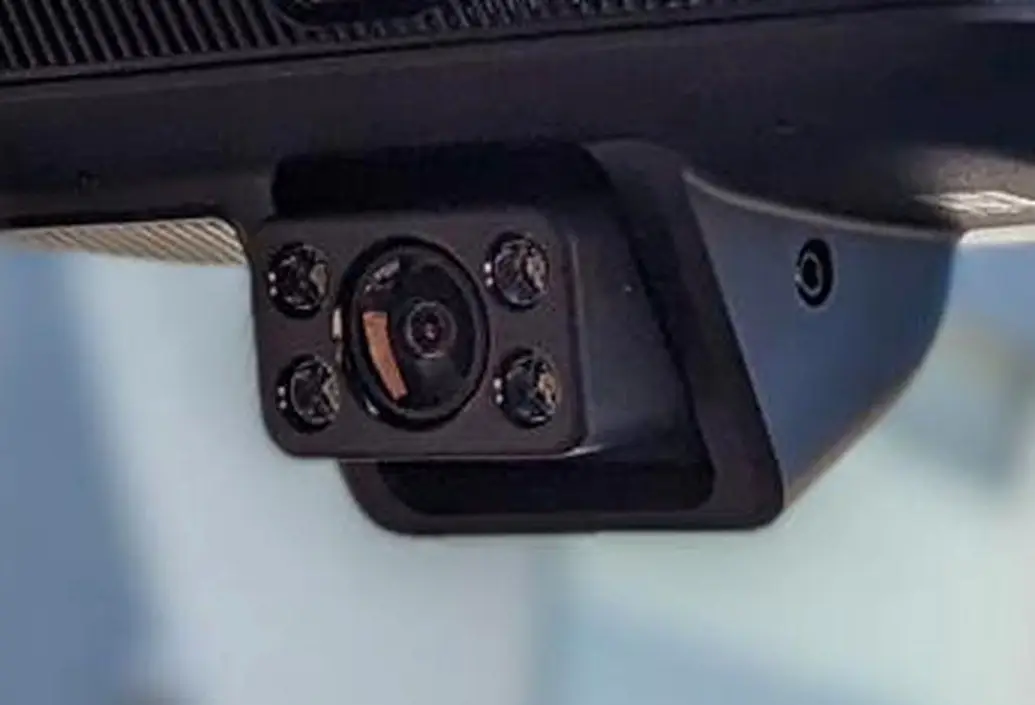
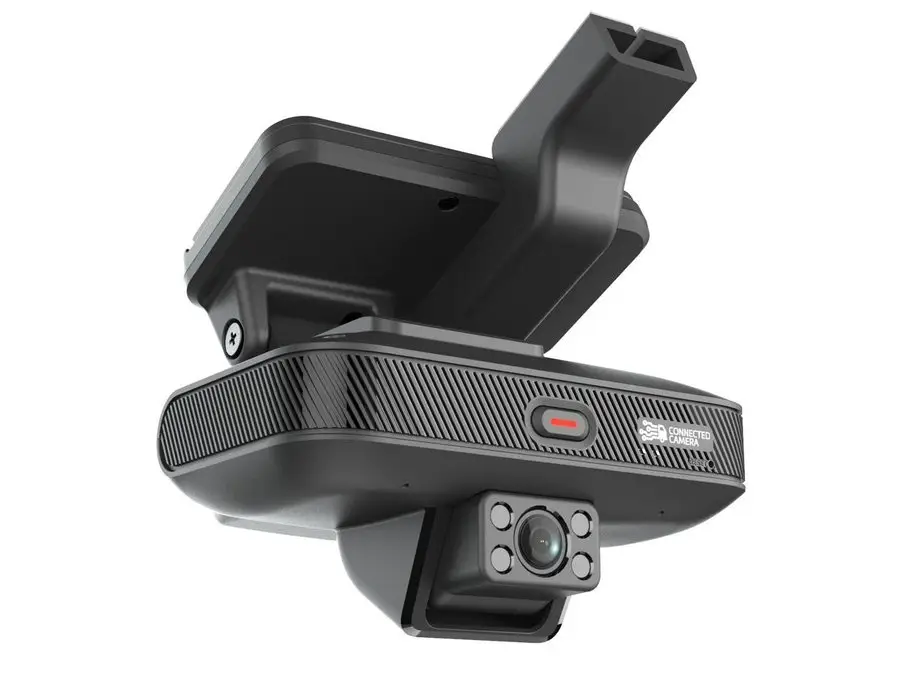
An infrared camera tracks eye closure and head position continuously, day or night, without illuminating the cab. Detection runs on the camera’s own AI processor — so alerts don’t wait for a mobile signal, and monitoring continues through black spots.
When it detects a lapse, the operator gets an audible warning in the moment. That’s the whole point: the intervention happens while there is still time to act, rather than becoming a line in a report.
- Signs of fatigue — eye closure and head position tracked continuously
- Distraction — head turned away from the work beyond a set duration
- Mobile phone use — handset activity detected while operating
- Seat belt not worn
- Smoking and other cab-policy breaches (configurable)
- Immediate in-cab audible alert
- Event video with GPS position, speed and G-force
- Footage to SD card and mirrored to the cloud over 4G
- Operator scorecards and trend history
- Configurable thresholds, tuned per fleet
Layer two
Collision avoidance
& operator awareness
Showing the operator
what the mirrors don’t
Camera coverage is configured to the machine rather than the catalogue — up to seven recorded channels, with the external cameras placed against the blind zones that actually matter on that plant. A truck, an excavator and a dozer do not have the same problem, and shouldn’t get the same kit.
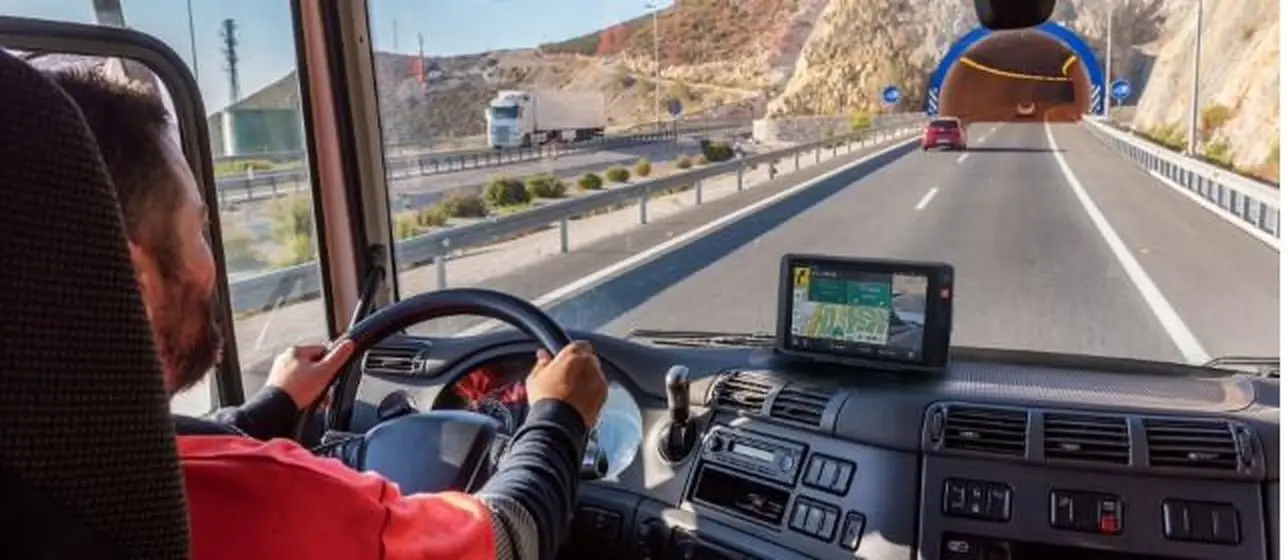
The display auto-switches to the relevant feed on reverse or indication, so awareness doesn’t depend on the operator remembering to look at the right moment. Forward-facing ADAS adds lane drift, forward collision warning and tailgating alerts where the machine spends time on haul roads.
- Side and rear cameras at 124° and 140°
- Infrared to 8 m for night and low light
- IP69K rated for dust and high-pressure washdown
- Rated to −30 °C
- Quad view, auto-switching on reverse or indication
- Lane drift — a classic early fatigue indicator
- Lane departure without indication
- Forward collision warning — closing distance ahead
- Tailgating for the speed
- Stop sign and speed limit violations
Layer three
Machine
monitoring
Every event opens as
something you can see
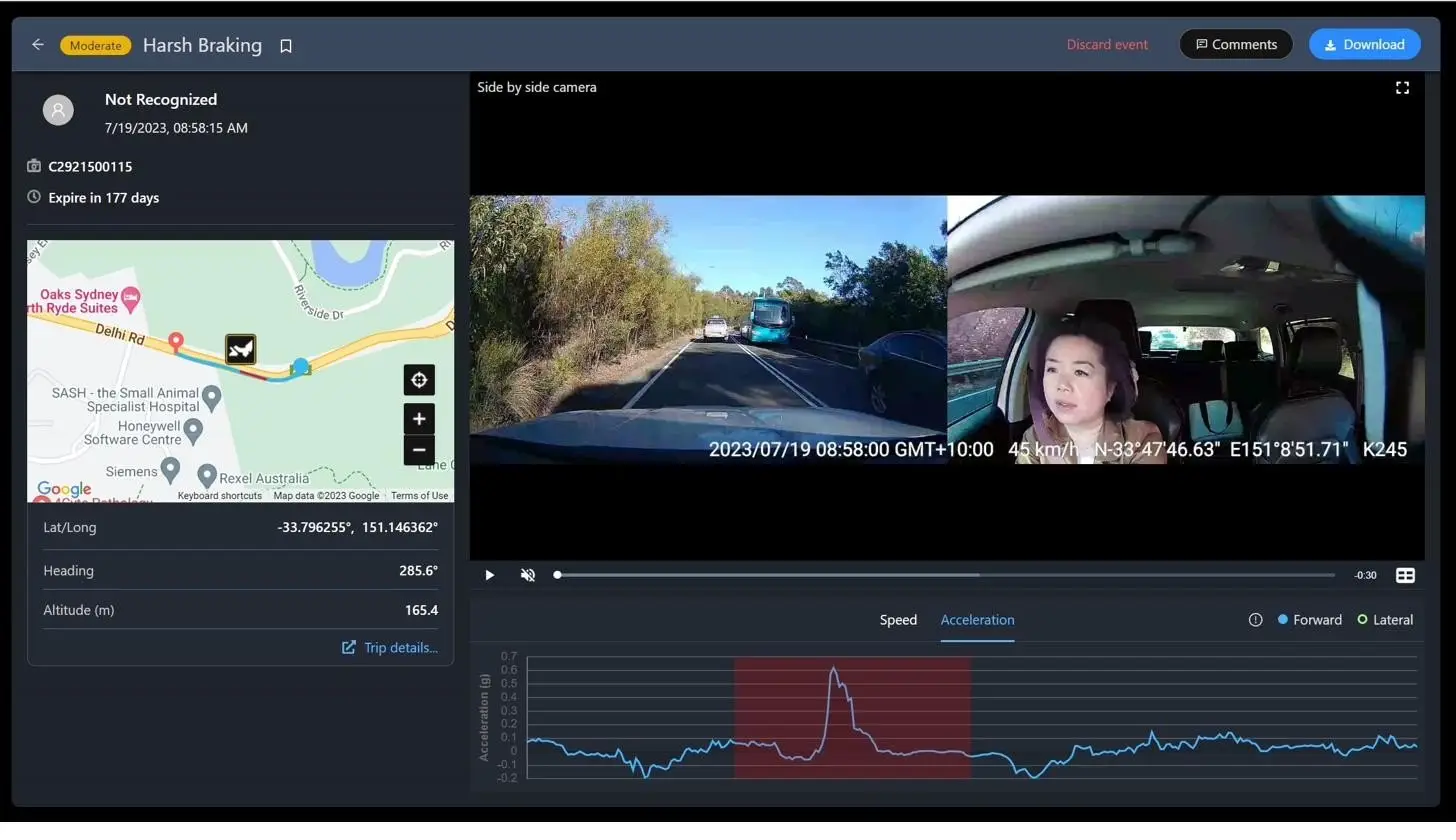
An event opens with the forward view and the cabin view side by side, synchronised to the map position, speed and the acceleration trace that triggered the recording. You can see what the operator saw and what the operator was doing, in the same frame — which is a very different coaching conversation from a severity score in a spreadsheet.
Footage is written to the SD card and mirrored to the cloud, so an event survives damage to the machine or the device. Nothing is a black box.
- Harsh braking — often the first fatigue symptom to show in data
- Harsh acceleration and cornering
- Over-speeding against the posted or fleet limit
- Impact detection, including while parked
- Severity-ranked event feed
- Operator scorecards and trend history
- Live view and trip replay
- Geo-fence entry and exit alerts
- API and SDK for integration with existing fleet systems
The hardware
One system across trucks,
excavators and dozers
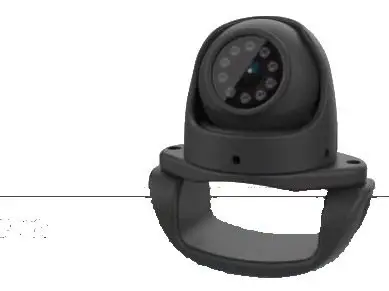
K265
Recorder & operator monitoring
T10
In-cab awareness

C20
Blind zone coverage
Layer four
Communications
& connectivity
Alerts don’t wait
for coverage. Evidence does.
Because detection happens on the device, the in-cab alert fires whether or not there’s a mobile signal. But the footage, the scorecards and the dashboard all depend on the event getting off the machine — and on a lot of Australian sites there is no cellular coverage to carry it.
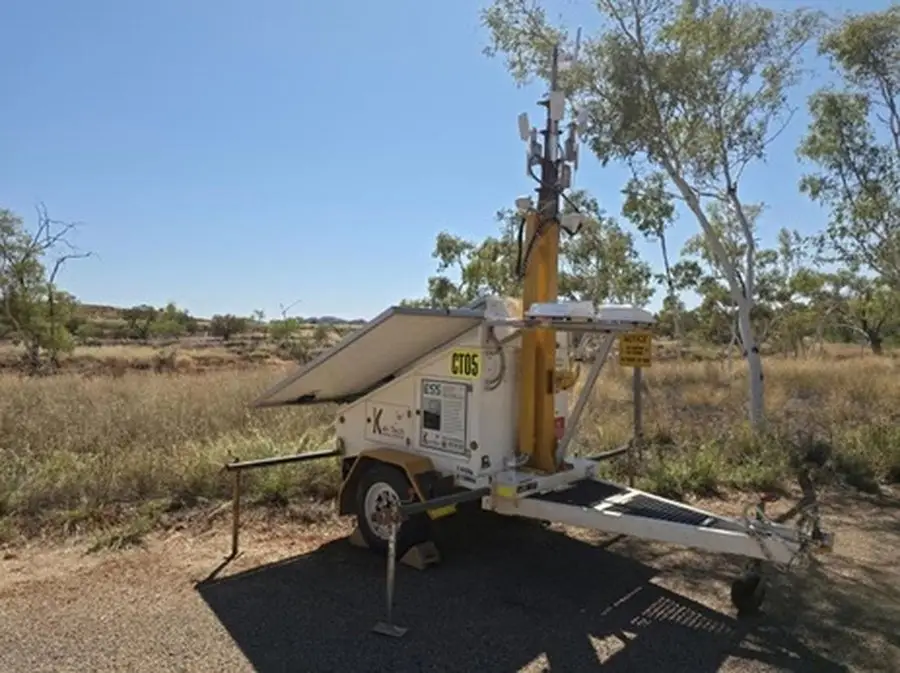
We supply the connectivity layer as well: LEO satellite and 4G/5G systems in portable cases, vehicle-mounted pods and solar-powered trailers, sized to the site rather than to the smallest unit that technically works.
- Trailer-based site comms — solar powered, 9m mast, Wi-Fi across the work area
- Vehicle-mounted pods — a local network wherever the vehicle is parked
- Portable satellite cases — for crews that move between locations
- Peplink routing and cellular failover where the link carries more than footage
- Purchase or project-length rental on the trailer fleet
Layer five
Operator
clean air
Fatigue and collision controls address the risk of something happening. Respirable dust addresses the risk of something accumulating. An operator in an unsealed or poorly maintained cab breathes site air for the length of every shift — and with tightened exposure standards for respirable crystalline silica, that has moved from a comfort question to a compliance one.
A cabin air system keeps the cab at a slight positive pressure so unfiltered air can’t be drawn in through door seals and penetrations, filters what does come in, and monitors the pressure so the operator and the maintenance team know when it has stopped working. That last part is the one most often missing: a filtration system nobody can see the status of gets discovered during a survey, not during a shift.
- Cabin pressurisation to hold positive pressure against site air
- Filtration of respirable dust entering the cab
- Pressure monitoring with in-cab alarm when it drops out
- Cab sealing — doors, penetrations and the gaps that undo the rest
- Filter servicing intervals built into your maintenance schedule
- Dozers, graders and loaders working in generated dust
- Drill rigs and any work near silica-bearing material
- Older machines where the original cab seal has long gone
- Crushing, screening and haul road operations
- Any cab an operator sits in for a twelve-hour roster
How we deliver it
The install is
the product
Specified to the fleet
Installed properly
Configured with you
Supported locally
Common questions
Before you call
It can be. In-cabin recording may constitute workplace surveillance under the legislation in your state, and the obligations differ between jurisdictions — notice periods, consent, what you can do with footage and how long you can keep it.
We’ll help you configure the system to whatever position you land on, but the obligation is yours and it’s worth getting advice before deployment rather than after. In our experience the operations that handle this well are the ones that involved their people early and were specific about what is recorded and who can see it.
The detection and the in-cab alert do — that’s the reason detection runs on the camera’s own processor rather than in the cloud. What needs coverage is getting footage and event data off the machine. If your site has black spots or no cellular at all, that’s a connectivity question and we supply that side too.
Some will and some won’t, and how it’s introduced matters more than the technology. The argument that lands is that the same footage clearing an operator of an incident they didn’t cause is the footage that flags a fatigue event — it works in both directions. Systems introduced as a coaching tool tend to stick; systems introduced as a gotcha tend to get worked around.
Usually, yes. Mixed fleets are normal, including machines on hire and machines from several OEMs. Tell us what’s in the fleet and we’ll tell you honestly what fits, what needs a different mount and what isn’t worth doing.
No, and you shouldn’t let anyone sell it to you that way. Operator monitoring is a control that operates inside a fatigue management system — it doesn’t replace hours of service, rostering, or your obligations under the Heavy Vehicle National Law and applicable WHS legislation. It covers the layer that rostering can’t reach.
The external cameras are IP69K rated for high-pressure washdown and rated to −30 °C. The recorder sits in the cab. Where machines get pressure-washed regularly, camera placement is part of the install conversation — the rating covers the unit, not a cable run that someone aims a lance at every week.
Tell us what’s